
The Patent Cliff: Innovating "Beyond the Pill."
A global pharmaceutical giant realized their "Blockbuster Drug" model was expiring. We helped them build an internal innovation engine to transition from selling molecules to selling health outcomes.
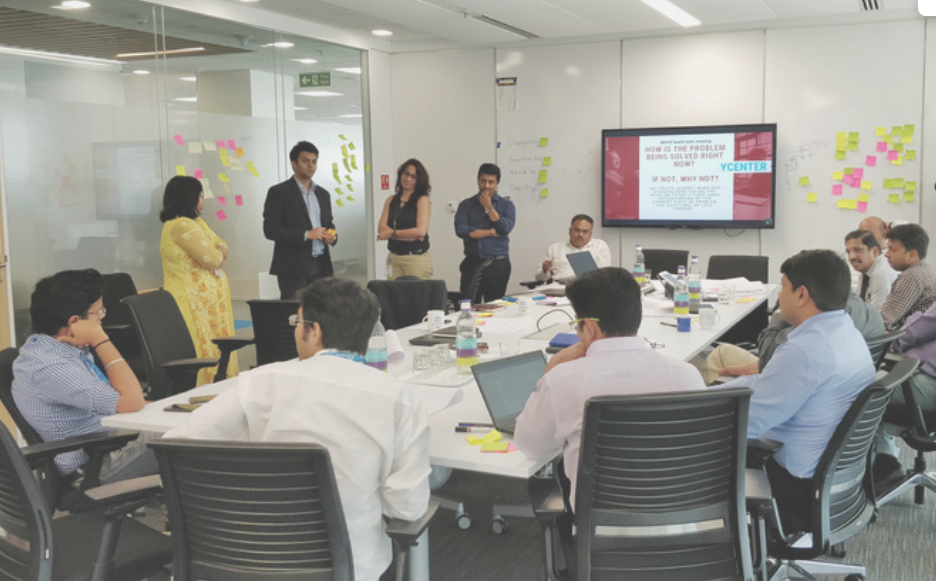
Ycenter team brainstorming a Session for Cross-functional team leads at Client’s HQ office
The "Blockbuster" Trap
Our client, a market leader covering 80% of therapy areas in India, faced an existential threat common to the industry: The Patent Cliff.
For decades, the business model was simple: Discover a molecule, patent it, and sell it for 10 years.
But as J.P. Garnier (former CEO of GlaxoSmithKline) famously noted, this is a model where "you lose your entire book of business every 12 years."
They needed to grow revenue without relying solely on new drug discovery. They needed "Beyond the Pill" solutions—services, devices, and digital tools—but their internal culture was built for compliance, not creativity. They were operating in rigid silos: Marketing sold what R&D made, and neither spoke to the patient.
Breaking the Therapy Silos
Innovation cannot happen in an echo chamber. Our first move was to dismantle the traditional "Function-Based" teams.
We built "Therapy Squads." For the Cardiology stream, we didn't just invite the scientists. We locked the Doctor, the Marketing Head, the Business Division Lead, and the Field Manager in a room.
The Objective: Stop looking at "Products." Start looking at "Gaps."
By mapping the patient journey together, the team realized that the biggest revenue leaks weren't biological—they were behavioral.
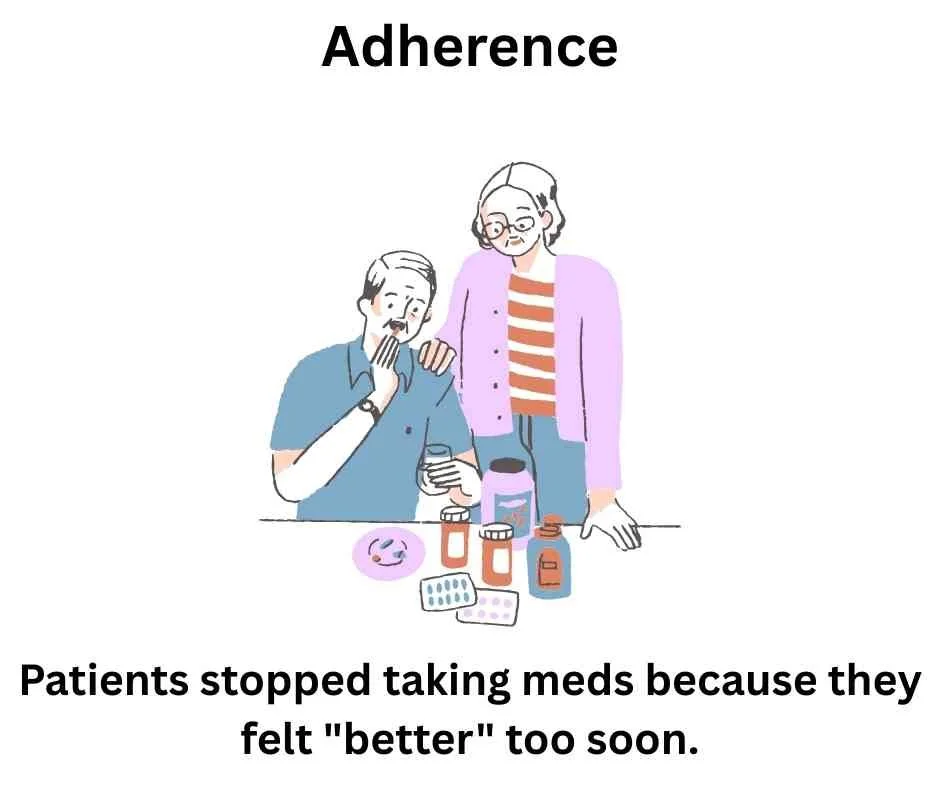
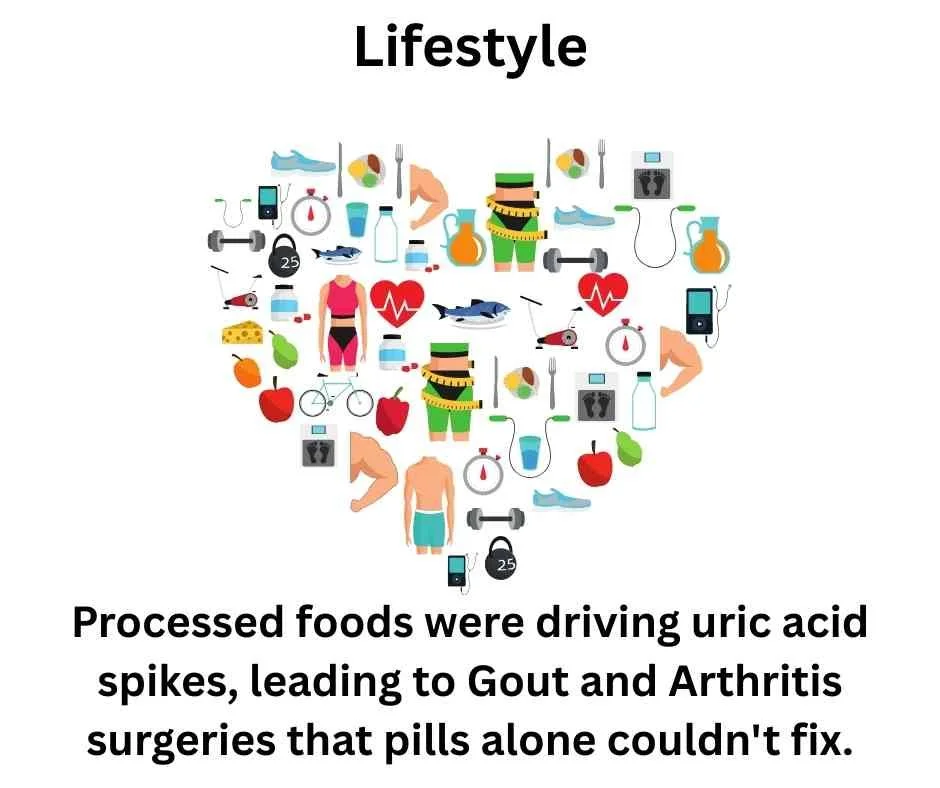
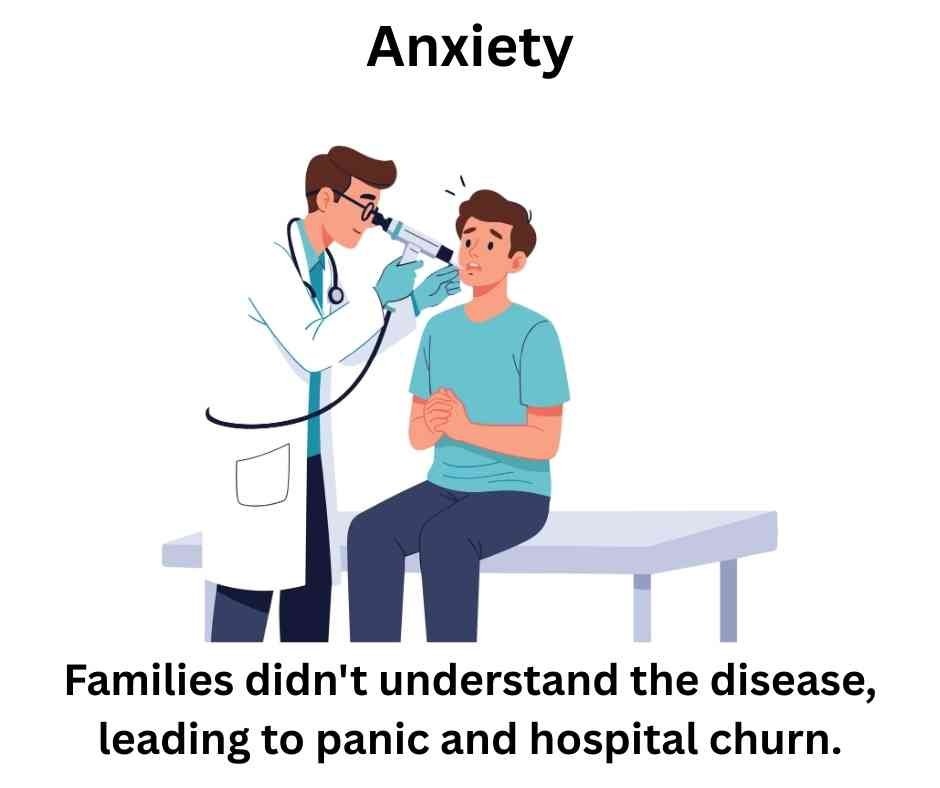
The Pivot from Gout to Diabetes.
One squad focused on Gout and Arthritis. They traced the root cause back to lifestyle choices—specifically, high intake of processed foods leading to hypoglycemia and uric acid formation.
The Prototype: They proposed three solutions:
A Diet/Nutritional Consulting Service (Revenue via Service).
A Handheld Diagnostic Device for GPs (Revenue via Device).
Mechatronic Knees (Revenue via Hardware).
The Reality Check: We forced them to leave the building and validate these ideas with real doctors.
Result: The network of doctors hated two of the ideas.
The Win: In a traditional R&D cycle, the company might have spent millions developing these. We killed them in 4 weeks.
The Cross-Pollination: During this validation, the team discovered that high uric acid wasn't just a Gout indicator—it was often a precursor to Diabetes. By crossing the hallway and talking to the Diabetes team (Knowledge Branching), they identified a new collaborative pathway for early diagnosis that neither team would have found alone.
Three Pathways to New Revenue
We delivered more than just prototypes; we delivered a new Innovation Architecture for the company. We identified three ways they could grow profits while selling fewer drugs:
Buy or Partner: Stop trying to invent everything. Scout startups for "Non-Traditional Creativity" (Apps, AI) and license their IP.
Translational Research: Scout university labs for tested ideas that need commercial scale. Use the Big Pharma brand to bring academic R&D to market.
Intrapreneurship Investment: The hardest but highest yield. Train employees to think like founders. We proved that an internal team can kill bad ideas faster than an external consultant can.
ROI on "Failed" Ideas.
In innovation, money saved is as valuable as money earned.
3
Therapy Squads Launched Replaced siloed departments with cross-functional agile teams.
$ Millions
Saved in R&D By validating prototypes early, two "bad ideas" were killed before significant capital investment.
1
Culture Shift Transitioned from "Selling Pills" to "Patient-Centric Problem Solving."